
Shrink Sleeve vs Pressure-Sensitive Labels: Which Is Right for Your Product?
Industry Insights
Printing, Strategy
One of the first decisions product teams face when launching a new product is how the label will be applied. The two most common options are shrink sleeve labels and pressure-sensitive labels.
Both can produce strong visual results. But the right choice depends on your container shape, production process, regulatory needs, and brand goals. Understanding the difference early can save time, reduce production issues, and improve shelf impact.
What Are Shrink Sleeve Labels?
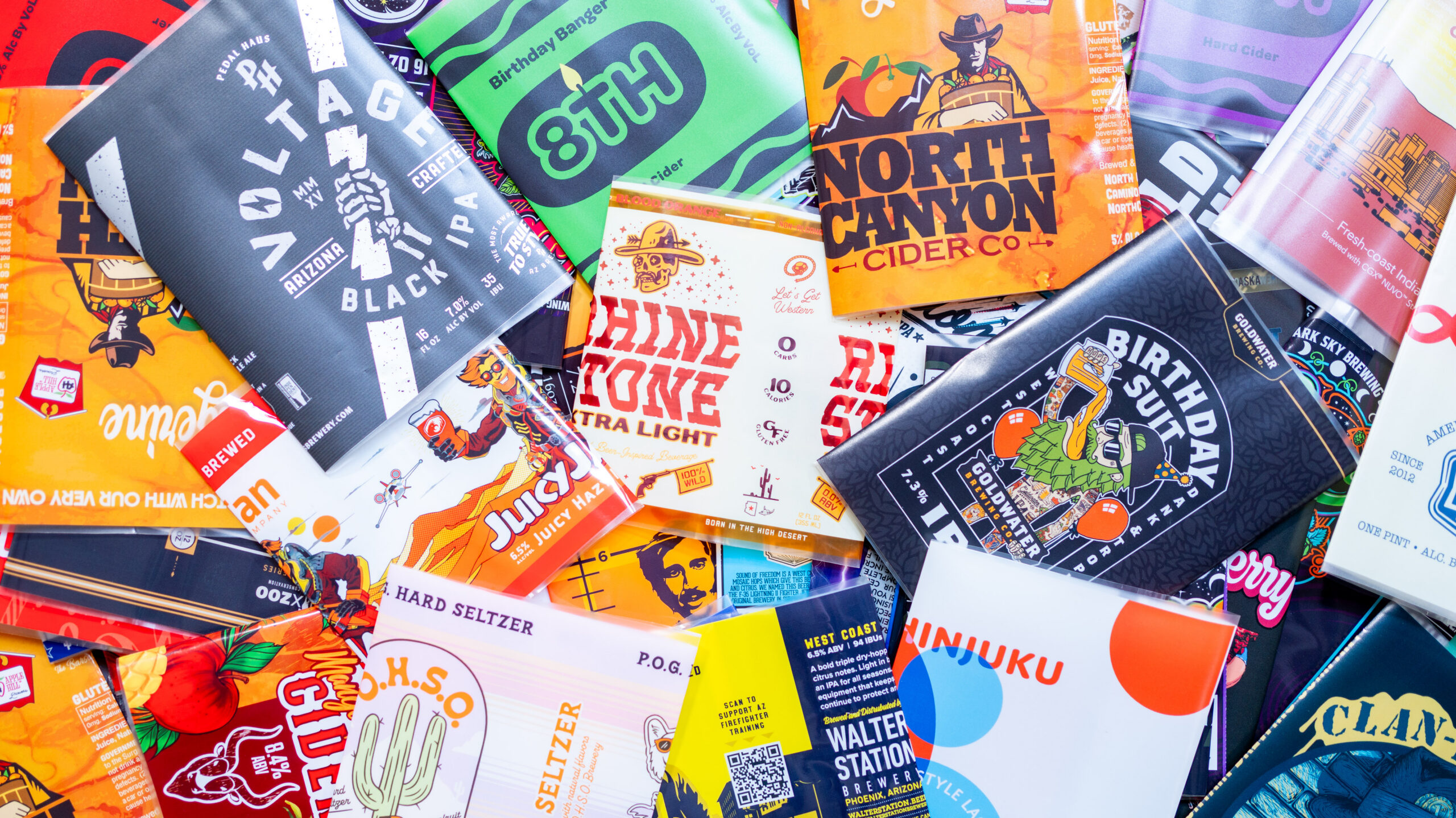
Shrink sleeve labels are printed sleeves that shrink tightly around a container when heat is applied. They cover the full body of the container, allowing brands to use nearly the entire surface for graphics and product information.
They are commonly used for:
- Beverage cans and bottles
- Nutritional supplements
- Specialty food products
- Cannabis packaging
- Cosmetic containers
Benefits include:
- Full 360° branding
- More space for regulatory information
- Strong shelf presence
- Tamper-evident options
What Are Pressure-Sensitive Labels?
Pressure-sensitive labels are adhesive-backed labels applied directly to a container. These labels are widely used because they are flexible, efficient, and work across many packaging types.
Common applications include:
- Food and beverage packaging
- Supplements
- Consumer goods
- Retail packaging
Benefits include:
- Lower production setup
- Fast application speeds
- Strong adhesion options
- Ideal for flat or simple containers
How to Choose the Right Label
Choosing between shrink sleeves and pressure-sensitive labels depends on several factors:
Container Shape
Curved or uniquely shaped containers often work best with shrink sleeves.
Shelf Impact
Shrink sleeves offer more visual space.
Production Volume: Pressure-sensitive labels may be more efficient for smaller runs.
Compliance Requirements
Products with detailed ingredient or regulatory panels may benefit from shrink sleeves.
The Best Approach: Design With Production in Mind
The most successful packaging systems consider labeling early in the design process. Working with a production partner helps ensure:
- the label fits the container
- regulatory information is included
- materials hold up in real environments
Final Thoughts
Shrink sleeves and pressure-sensitive labels both serve important roles in modern packaging. The best choice is the one that supports your product, your brand, and your production process.
Planning a new product launch?
Our team can help determine the right labeling system for your packaging.
Related Posts
Brewery Labels That Stand Out on the Shelf
Industry Insights
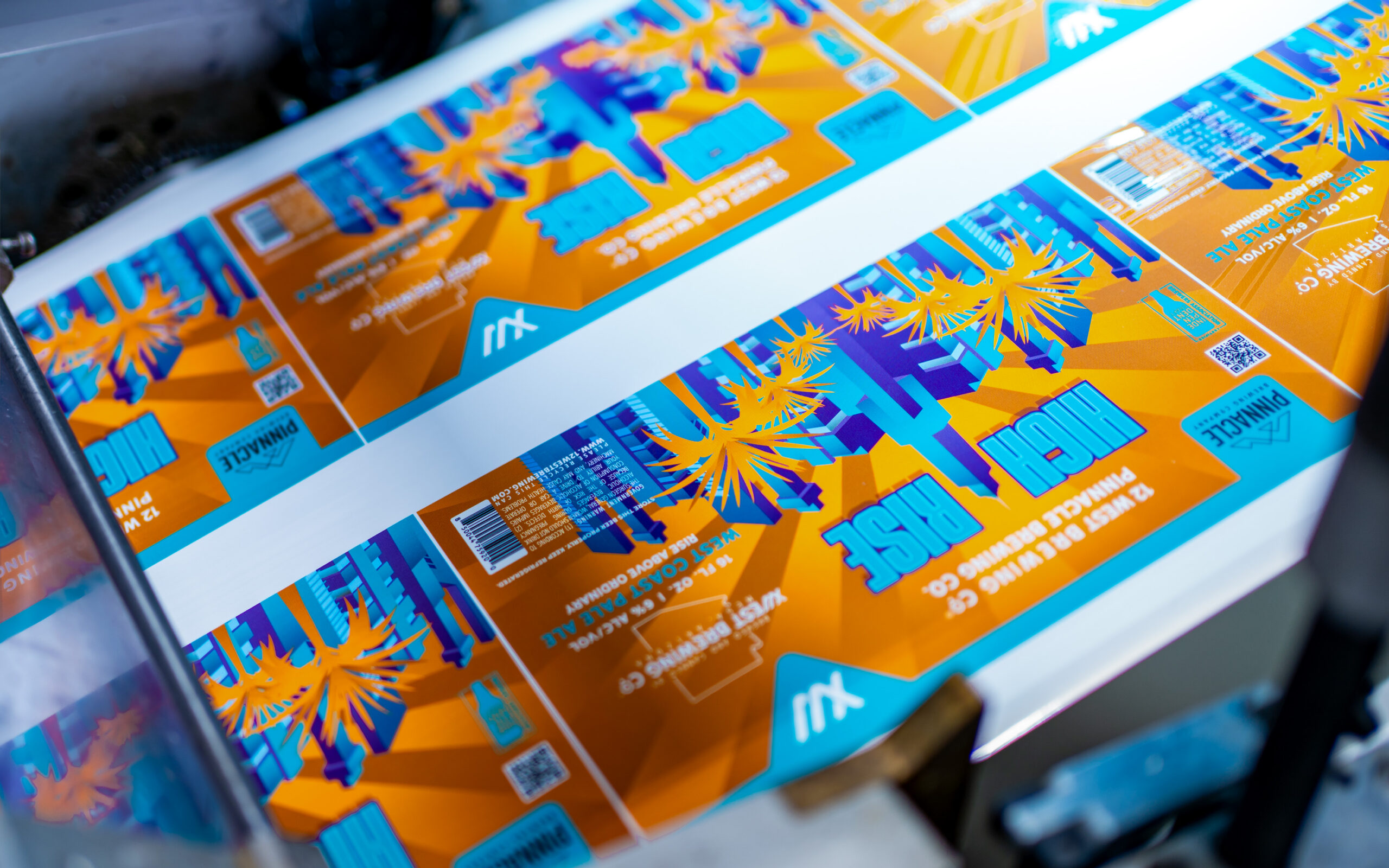
See how custom brewery labels and shrink sleeves help craft breweries create shelf impact while meeting durability and production needs.
Read Post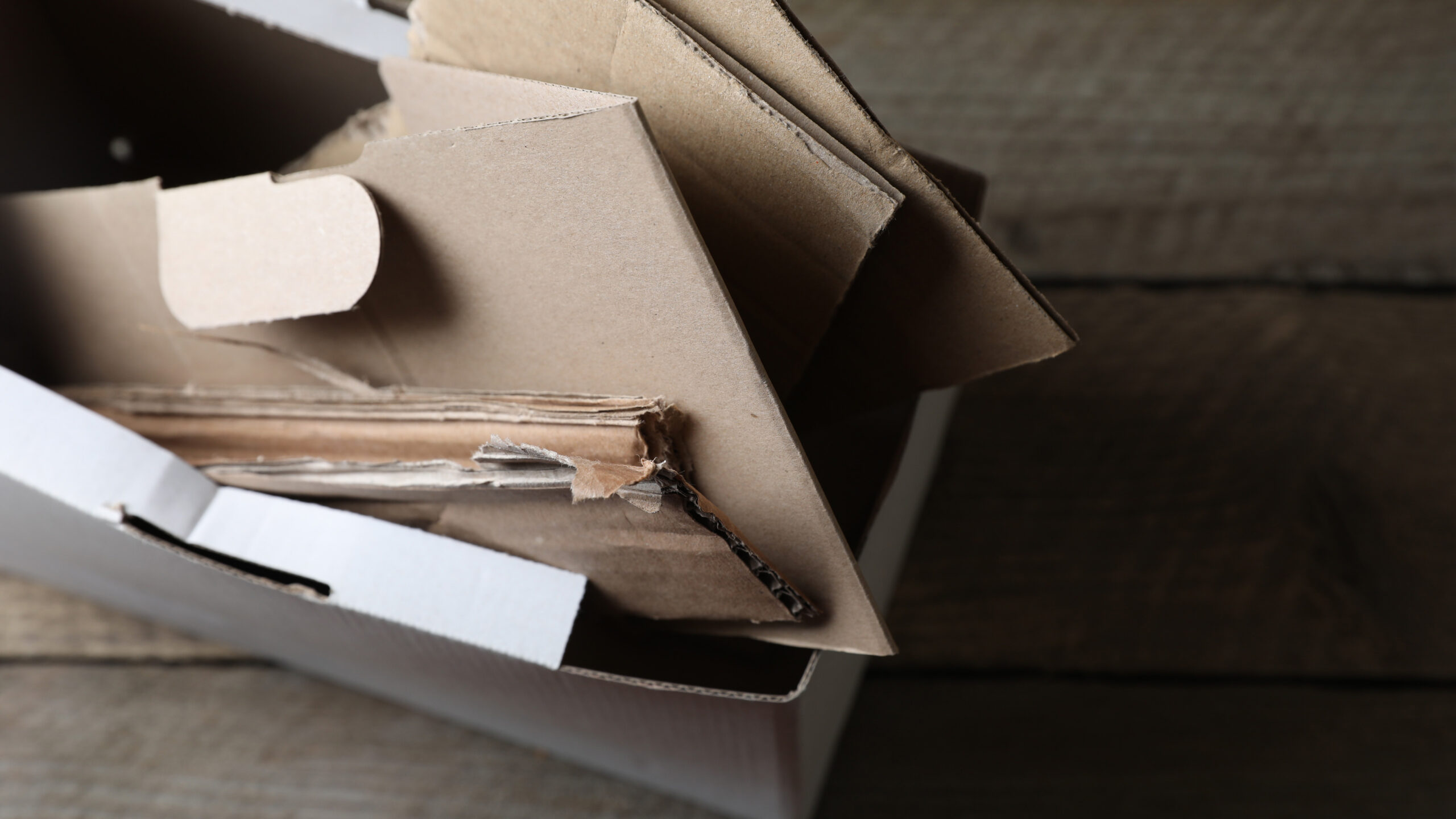
5 Packaging Mistakes Brands Make When Launching a New Product
Industry Insights
Avoid common product packaging mistakes. Learn how labels, materials, and production planning impact product launches and shelf performance.
Read Post
What Is a Brand Box? Why Product Launches Are Moving Toward Packaging Experiences
Industry Insights
Brand boxes help companies launch products, connect with influencers, and create memorable customer experiences through coordinated packaging.
Read Post